

Where allergen controls break down in food manufacturing
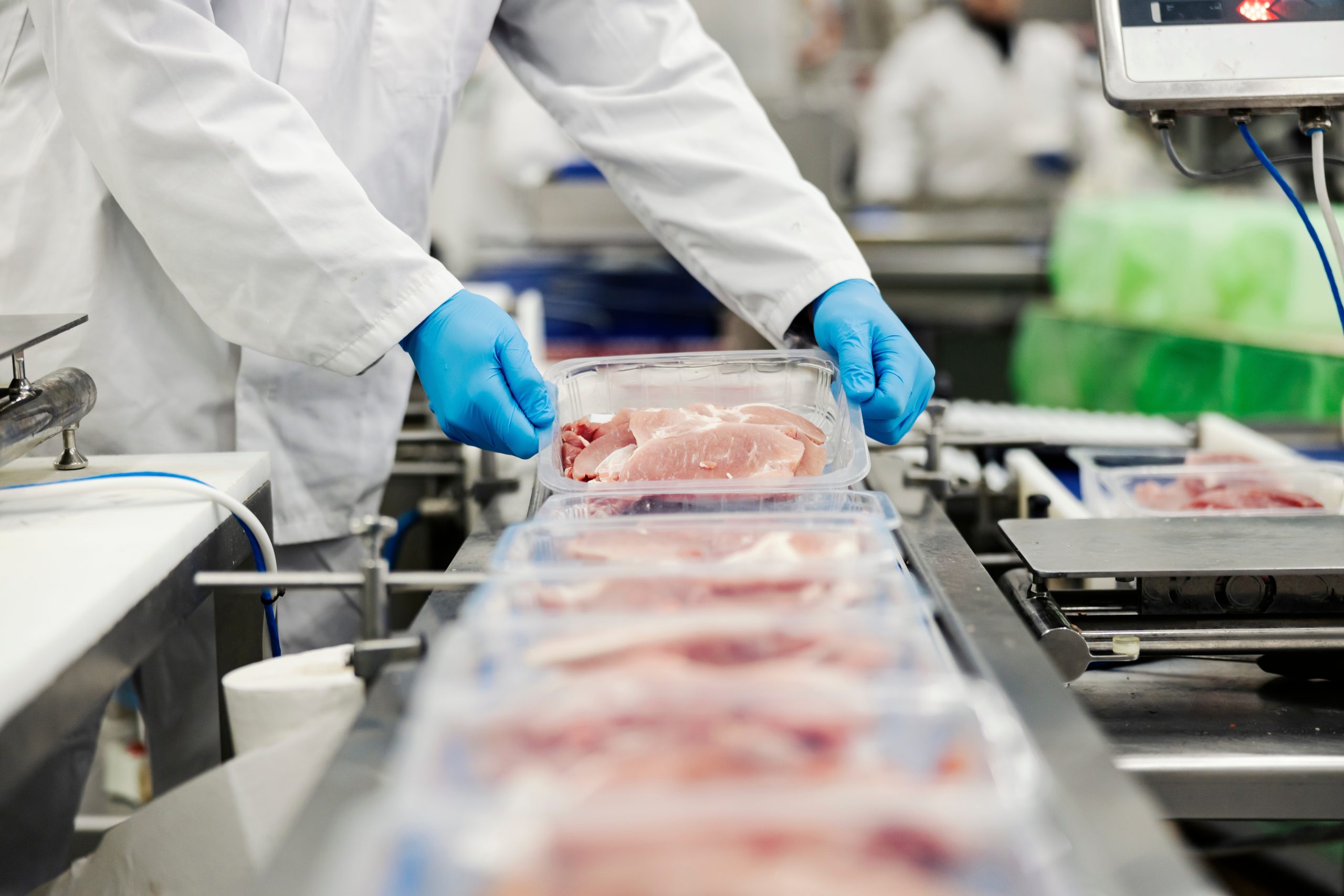
When allergen controls break down it is often from small process failures: a label that didn’t follow a recipe change, a changeover that wasn’t verified, or the wrong film loaded on the line. October 2026 showed how often it happens.
What happened in October 2026?
In October the Food Standards Agency (FSA) issued a run of allergy alerts covering some of the most serious allergens there are:
- Flapjacks recalled for undeclared almonds, soya and wheat.
- Skinny Crunch Light Peanut Butter Bars (Halo Foods) recalled for undeclared peanuts.
- Pot Noodle Piri Piri Chicken Flavour (Unilever) recalled for undeclared milk.
- Chopped liver recalled because gluten was incorrectly declared.
- A lasagne in Northern Ireland recalled for undeclared egg and milk.
- Emma Basic Curry Cubes Japanese Style recalled UK-wide for undeclared milk, across eight best-before dates from December 2026 to March 2028.
In every case, the label didn’t match what was in the pack.
The curry cubes show why the timing of a label check matters as much as the check itself. When a recall spans eight best-before dates, the problem almost certainly ran across many production runs. The only way to keep a recall down to a few dates is a label check, recorded by batch, that proves which runs were right.
For anyone with a food allergy, each of these is a genuine risk to life. For the business, it means a recall, a difficult conversation with a retailer, and the question every technical manager dreads: how did this get past us?
Why do allergen controls fail?
When allergen controls fail, undeclared allergens usually get through one of five ordinary gaps in the process, not because of a lack of awareness:
- A recipe or supplier changes, and the label artwork doesn’t change with it.
- A changeover from a product containing an allergen to one without it isn’t fully cleaned or verified.
- The wrong film or label is loaded on the line for the run.
- A new or agency operator doesn’t know which products share a line.
- A check was done, but nobody can prove it was done properly.
Your team already knows allergens matter. What closes these gaps is a routine that makes the right thing happen every time and leaves proof that it did.
How do you stop the wrong label going on the line?
Build label verification into every product changeover and every start-up, and show the expected allergen declaration on the check itself. The operator compares what’s on the line with what should be there. If they don’t match, the check fails.
When a label check fails, the run stops and an action is raised with an owner straight away. It should never be possible to tick past a failed allergen check and carry on.
What should an allergen changeover check include?
An allergen changeover check should confirm three things: the clean was done, it was verified, and the line is ready for the next product. Give allergen changeover cleans their own verification step, scheduled so they happen whether or not anyone remembers them.
What allergen records should you be able to show an auditor?
You should be able to show who checked what, on which line, for which batch, and when. Every verification should be timestamped and linked to the operator, the line and the batch, so you can answer straight away if a retailer, an auditor or the FSA asks.
Make batch capture a required field. One drinks producer told us that sometimes “we forget to add the batch number” at goods-in. A required field stops that from happening.
Then look across the records for patterns. Which line, shift or product family keeps producing near misses at changeover? That’s where your next alert would most likely have come from, and it’s far cheaper to find it in your own data than in an FSA notice.
How should agency and seasonal staff be trained on allergen controls?
Train every operator, including agency and seasonal staff, before they work an allergen line. They need to know which products contain which allergens and what a proper changeover looks like. Keep a training record for each person that proves it.
Does Natasha’s Law apply to food made for direct sale?
Yes. Food prepacked for direct sale (PPDS), such as sandwiches made and wrapped on the premises, must carry full ingredients labelling with allergens emphasised under Natasha’s Law. The same controls protect you there too: the label check, recipe control and training records.
Three questions for your next technical meeting
- When a recipe or supplier changes, what forces the label to change with it?
- If the wrong label went on the line at 4am, which check would catch it, and how would you prove it ran?
- Could you show an auditor training records for every agency operator who worked your allergen lines last month?
How mpro5 helps food manufacturers with allergen control
mpro5 is a connected compliance and operations platform. Food manufacturers use it to run label verification, allergen changeovers, CCP checks, batch records and training records in one app. Every record is audit-ready for BRCGS, SALSA and retailer codes the moment someone asks.
Our Free Exposure Analysis shows where your allergen and wider food safety controls are exposed. It maps them to whatever you’re audited against, whether that’s BRCGS (the global food safety standard most retailers require), SALSA (the scheme for smaller suppliers) or your retailer’s own code, and shows what it would take to close each gap.